Memorial story
Ali Aghajani
Ali Aghajani (Persian: علی آقاجانی) was a 26-year-old man originally from Takestan in Qazvin Province who lived in Tehran. Hengaw Organization for Human Rights verified that on Friday evening, 19 Dey 1404 (9 January 2026), Iranian government forces shot him in the neck in front of Al-Rasoul Mosque in Tehran's Shahr-e Ziba neighbourhood; he died instantly.
Archive
Record & remembrance
Dates, places, sources, and messages — the same details as the full profile, kept on this page.
Ali Aghajani (Persian: علی آقاجانی) was a 26-year-old man originally from Takestan in Qazvin Province who lived in Tehran. Hengaw Organization for Human Rights verified that on Friday evening, 19 Dey 1404 (9 January 2026), Iranian government forces shot him in the neck in front of Al-Rasoul Mosque in Tehran's Shahr-e Ziba neighbourhood; he died instantly.
Hengaw sources reported that during the crackdown, government forces had positioned themselves on the rooftop of Al-Rasoul Mosque and opened fire on protesters from above. His death certificate falsely cited a "traffic accident" as the cause of death, and his body was later buried in a village in Takestan.
Hengaw named him in the same identity report as other Tehran victims of those days, including Majid Astir, Alireza Javaheripi, Amir Ahmadi and Mobin Ghanbari.
Messages of remembrance
Words left for Ali Aghajani. Unlike social media, these stay here — a lasting place for their story.
Leave a message
Are you family?
Social posts fade. We preserve Ali Aghajani's story permanently. Families can claim this page, help keep it accurate, and receive messages left by visitors.
Help complete this memorial
Parts of this page are still incomplete. If you know more about this person, you can help us remember them more fully.
- Date of birth
- Words they said, or others said about them
Loading...
Related Event
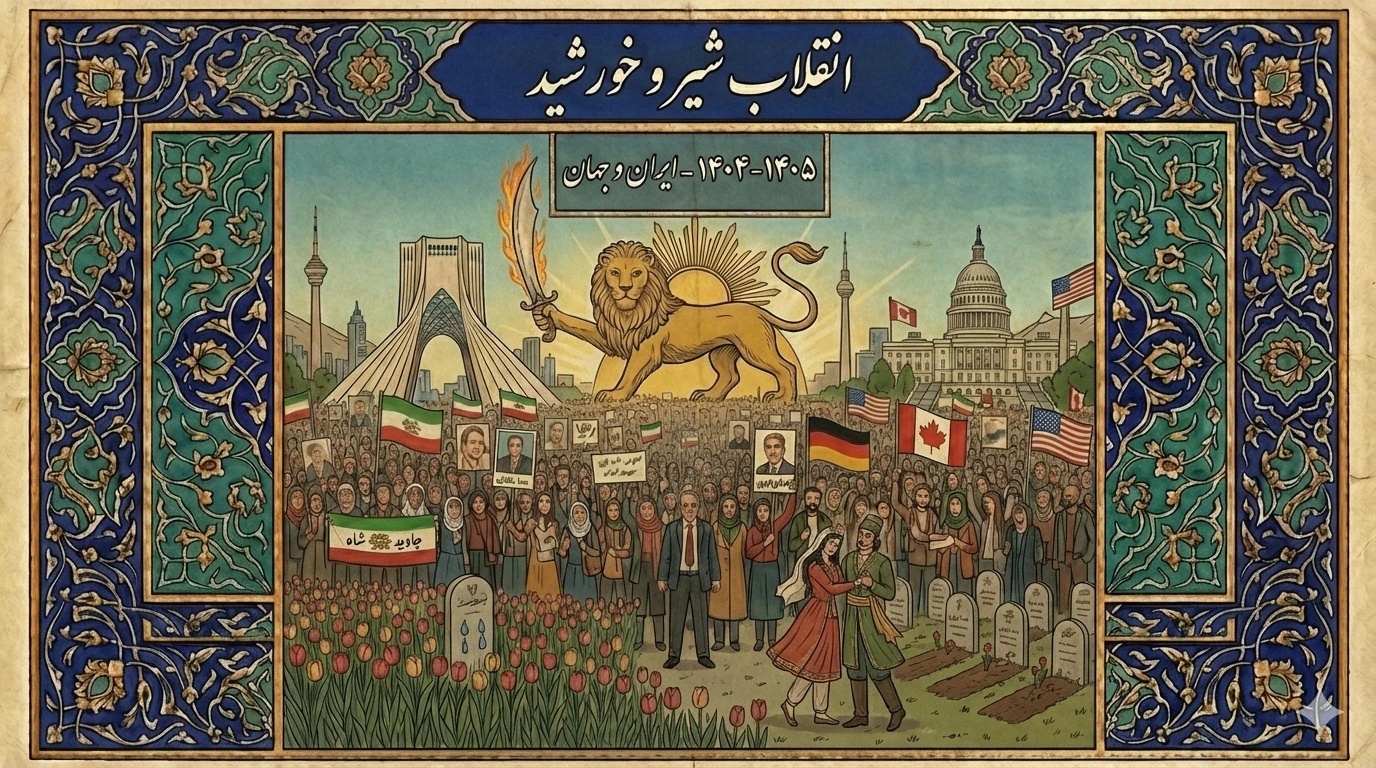
The Great Massacre
Jan 1, 2026 – Jan 26, 2026
The protests of January 2026, known among Iranians as the "Bloody Dey of 1404," represented the most widespread and lethal challenge to the Islamic Republic since its inception. Triggered by a catastrophic economic collapse—following the...
