Memorial story
Faramarz Golestani
Faramarz Golestani (Persian: فرامرز گلستانی) was born on 25 Esfand 1355 (16 March 1977) in Firouzan, a town in Nahavand County, Hamadan Province. His family belonged to the Lor Khazal tribe of the Nahavand region, and HANA Human Rights Organization describes him as a Kurdish citizen of Nahavand. Hoping to build a better life, he moved to the Tehran area and settled in the city of Parand.
Archive
Record & remembrance
Dates, places, sources, and messages — the same details as the full profile, kept on this page.
Faramarz Golestani (Persian: فرامرز گلستانی) was born on 25 Esfand 1355 (16 March 1977) in Firouzan, a town in Nahavand County, Hamadan Province. His family belonged to the Lor Khazal tribe of the Nahavand region, and HANA Human Rights Organization describes him as a Kurdish citizen of Nahavand. Hoping to build a better life, he moved to the Tehran area and settled in the city of Parand.
For a time he trained at a sports club, and his coach remembered him as a brave, fearless young man. His family knew him for his warmth and good humour; videos he left behind show him dancing and celebrating at family gatherings, and relatives remember him as generous and open-handed.
On 19 Dey 1404 (9 January 2026) he joined the protests in Parand, where Islamic Republic military and security forces shot him directly with live ammunition and he was killed. Narrata and Witness Report give the date as 19 Dey, while HANA's report gives 18 Dey. His body was later found among the bodies of the dead, in a bag numbered 12512. A few days later he was buried in Firouzan, Nahavand.
Messages of remembrance
Words left for Faramarz Golestani. Unlike social media, these stay here — a lasting place for their story.
Leave a message
Are you family?
Social posts fade. We preserve Faramarz Golestani's story permanently. Families can claim this page, help keep it accurate, and receive messages left by visitors.
Help complete this memorial
Parts of this page are still incomplete. If you know more about this person, you can help us remember them more fully.
- Words they said, or others said about them
Loading...
Related Event
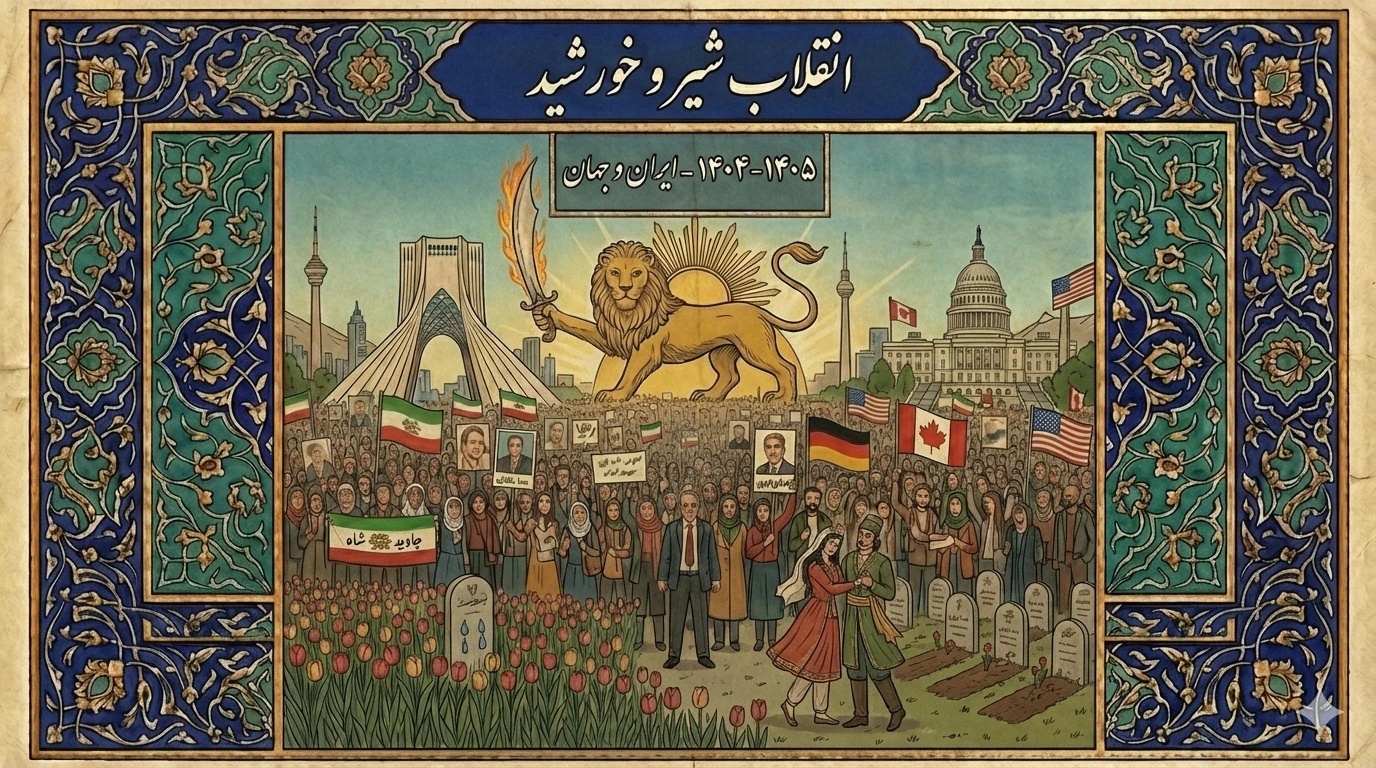
The Great Massacre
Jan 1, 2026 – Jan 26, 2026
The protests of January 2026, known among Iranians as the "Bloody Dey of 1404," represented the most widespread and lethal challenge to the Islamic Republic since its inception. Triggered by a catastrophic economic collapse—following the...