Memorial story
Farshid Moradi
Farshid Moradi (Persian: فرشید مرادی), also recorded as Farshid Moradi Katoulaei (کتولائی), was a 28-year-old Lor electrical engineer and resident of Fooladshahr in Isfahan Province. The government's published list of the dead gives his father's name as Ali Mardan. Friends remembered his smile and his wish for a better life in Iran.
Archive
Record & remembrance
Dates, places, sources, and messages — the same details as the full profile, kept on this page.
Farshid Moradi (Persian: فرشید مرادی), also recorded as Farshid Moradi Katoulaei (کتولائی), was a 28-year-old Lor electrical engineer and resident of Fooladshahr in Isfahan Province. The government's published list of the dead gives his father's name as Ali Mardan. Friends remembered his smile and his wish for a better life in Iran.
On Thursday, 18 Dey 1404 (8 January 2026), he joined the call to protest and walked with others toward the Fooladshahr courthouse. Hengaw Organization for Human Rights verified that government forces shot him dead that day; sources told Hengaw a sniper on a rooftop struck the back of his head. His family had no news of him for seven days; his body was returned on 25 Dey 1404 (15 January 2026) and buried in Fooladshahr. HRANA's "Crimson Winter" register lists Farshid Moradi Katoulaei as a confirmed victim in Fooladshahr, and Iran International's Javidnaman memorial records him as 28 on 18 Dey.
Messages of remembrance
Words left for Farshid Moradi. Unlike social media, these stay here — a lasting place for their story.
Leave a message
Are you family?
Social posts fade. We preserve Farshid Moradi's story permanently. Families can claim this page, help keep it accurate, and receive messages left by visitors.
Help complete this memorial
Parts of this page are still incomplete. If you know more about this person, you can help us remember them more fully.
- Date of birth
- Words they said, or others said about them
Loading...
Related Event
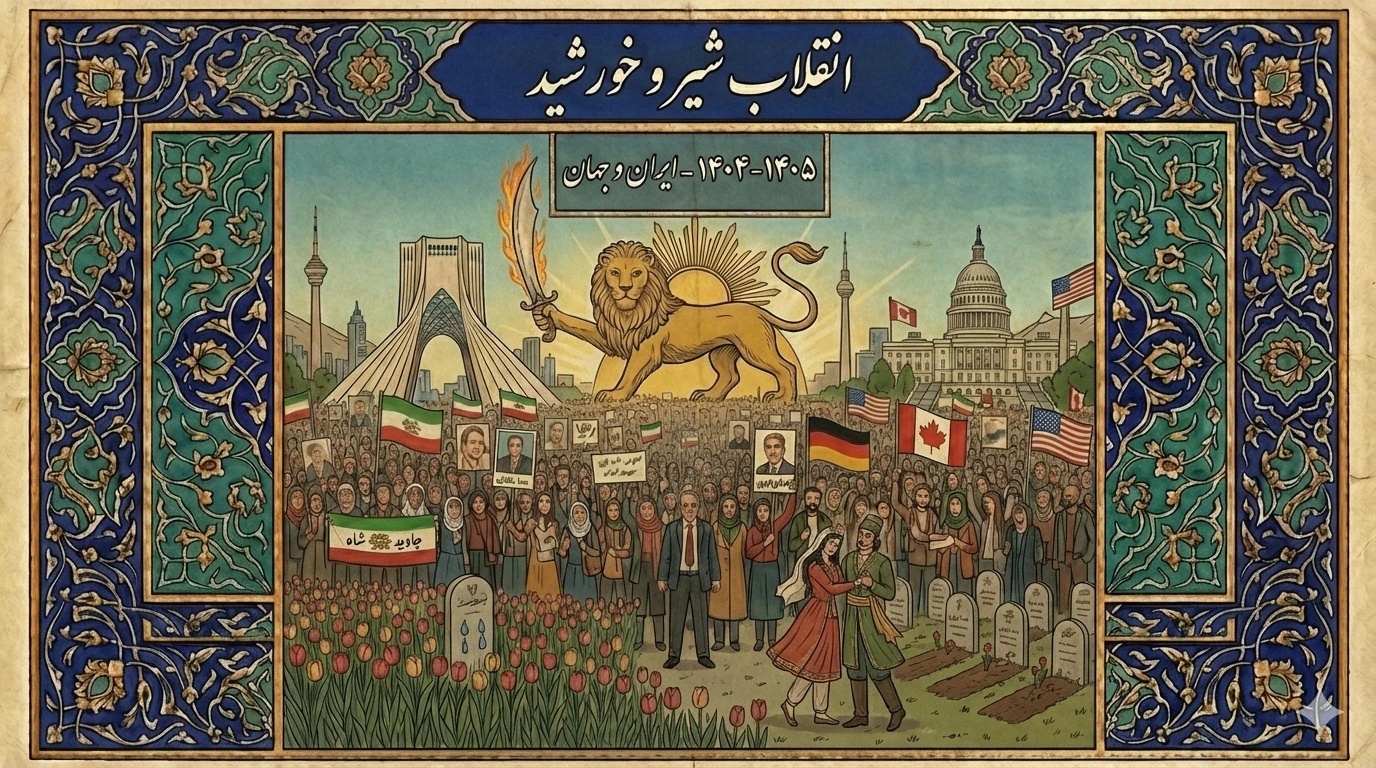
The Great Massacre
Jan 1, 2026 – Jan 26, 2026
The protests of January 2026, known among Iranians as the "Bloody Dey of 1404," represented the most widespread and lethal challenge to the Islamic Republic since its inception. Triggered by a catastrophic economic collapse—following the...


