Memorial story
Golaleh Mahmoudi Azar
Golaleh (Maryam) Mahmoudi Azar was a 26-year-old Kurdish woman from Mahabad who had been living in Tehran with her husband, who is from Paveh in Kermanshah Province. Hengaw Organization for Human Rights verified that on the evening of Thursday, 8 January 2026, she was killed by direct gunfire from Iranian government forces during protests in Tehran.
Archive
Record & remembrance
Dates, places, sources, and messages — the same details as the full profile, kept on this page.
Golaleh (Maryam) Mahmoudi Azar was a 26-year-old Kurdish woman from Mahabad who had been living in Tehran with her husband, who is from Paveh in Kermanshah Province. Hengaw Organization for Human Rights verified that on the evening of Thursday, 8 January 2026, she was killed by direct gunfire from Iranian government forces during protests in Tehran.
Her body was returned to Mahabad and buried under a heavy security presence and enforced silence. Hengaw sources emphasized that the name “Rozhin,” Golaleh’s sister, was incorrectly reported elsewhere as the victim. She was among five Kurdish people killed in Tehran that evening, including Siavash Shirzad, Erfan Alizadeh, and Ali Abbasi. Families searched among hundreds of bodies in Tehran morgues; Hengaw reported families paid one billion tomans but refused forced televised confessions blaming protesters.
Messages of remembrance
Words left for Golaleh Mahmoudi Azar. Unlike social media, these stay here — a lasting place for their story.
Leave a message
Are you family?
Social posts fade. We preserve Golaleh Mahmoudi Azar's story permanently. Families can claim this page, help keep it accurate, and receive messages left by visitors.
Help complete this memorial
Parts of this page are still incomplete. If you know more about this person, you can help us remember them more fully.
- Date of birth
- Words they said, or others said about them
Loading...
Related Event
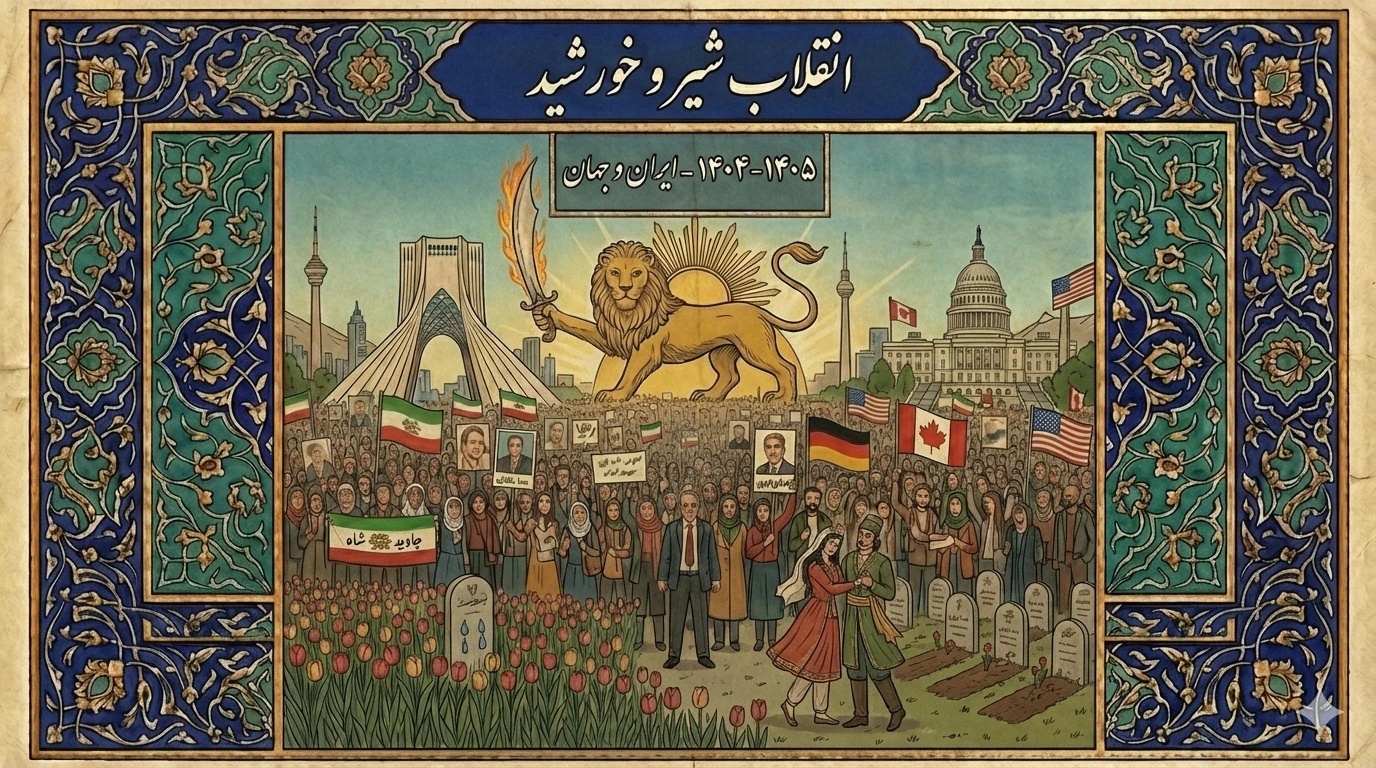
The Great Massacre
Jan 1, 2026 – Jan 26, 2026
The protests of January 2026, known among Iranians as the "Bloody Dey of 1404," represented the most widespread and lethal challenge to the Islamic Republic since its inception. Triggered by a catastrophic economic collapse—following the...


