Memorial story
Mehrab Mansouri
Mehrab Mansouri (Persian: مهراب منصوری) was a 52-year-old Lor man from Nurabad in Mamasani County, Fars Province.
Archive
Record & remembrance
Dates, places, sources, and messages — the same details as the full profile, kept on this page.
Mehrab Mansouri (Persian: مهراب منصوری) was a 52-year-old Lor man from Nurabad in Mamasani County, Fars Province.
Nurabad saw some of the deadliest days of the January 2026 uprising. According to Hengaw, on Saturday, 20 Dey 1404 (10 January 2026), a large crowd walked towards the city centre after the funerals of Kamyab Ahmadi, Shahrokh Zare and Mehrzad Nazari, who had been killed two days earlier. Around six in the evening the protesters took over the courthouse building in the centre of town. Government forces then surrounded the area and opened fire from rooftops and from inside the courthouse, hitting many people in the face, chest, head and abdomen. Mehrab was among those killed that day, shot directly by government forces, along with Parisa Lashkari, Pouya Norouzi and Abdolsadat Shamseddini.
His body was buried in the presence of government forces and his family. Hengaw verified his killing as one of at least 14 Lor citizens of Nurabad Mamasani killed between 18 and 20 Dey, and HRANA lists him among its confirmed victims. Iran International's Javidnaman memorial also records him in Nurabad Mamasani.
Messages of remembrance
Words left for Mehrab Mansouri. Unlike social media, these stay here — a lasting place for their story.
Leave a message
Are you family?
Social posts fade. We preserve Mehrab Mansouri's story permanently. Families can claim this page, help keep it accurate, and receive messages left by visitors.
Help complete this memorial
Parts of this page are still incomplete. If you know more about this person, you can help us remember them more fully.
- Date of birth
- Words they said, or others said about them
Loading...
Related Event
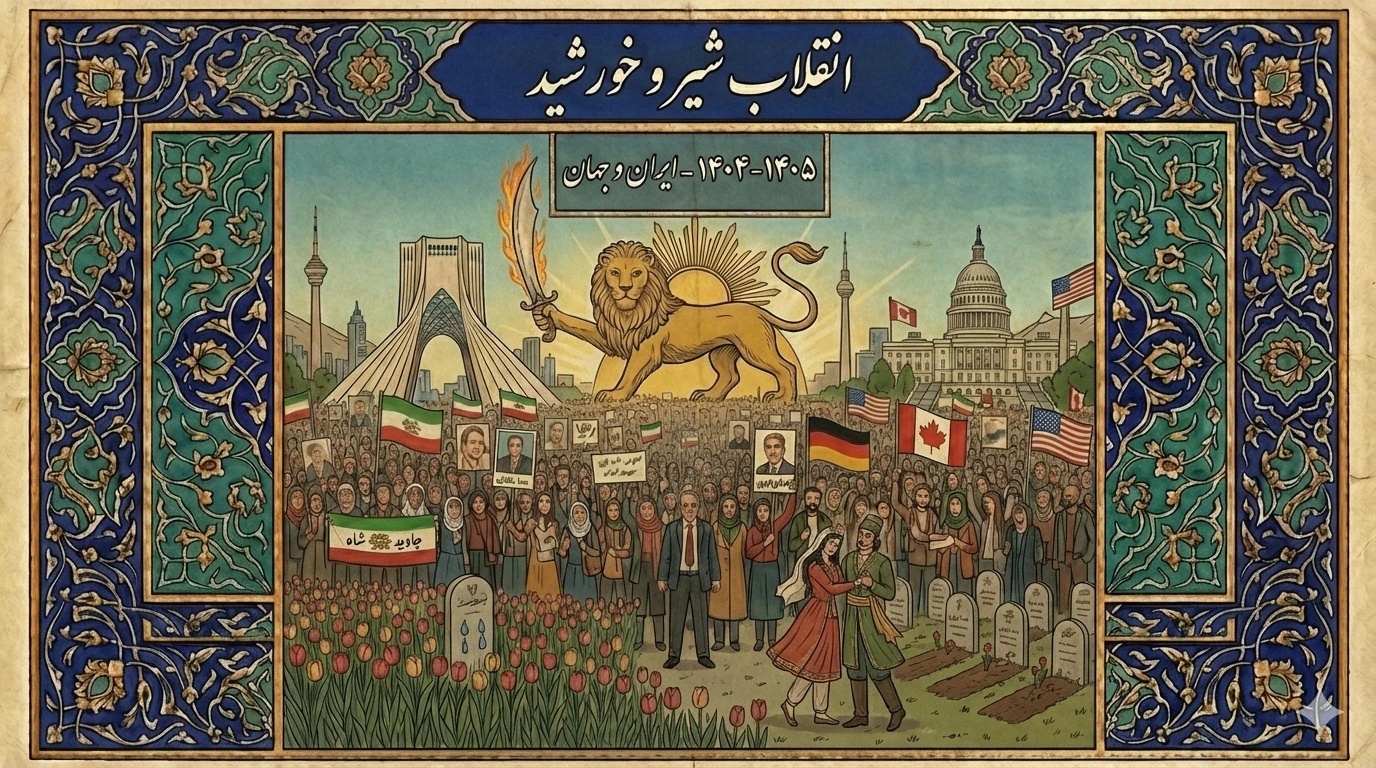
The Great Massacre
Jan 1, 2026 – Jan 26, 2026
The protests of January 2026, known among Iranians as the "Bloody Dey of 1404," represented the most widespread and lethal challenge to the Islamic Republic since its inception. Triggered by a catastrophic economic collapse—following the...


