Memorial story
Nadia Khoshfekr
Nadia Khoshfekr (Persian: نادیا خوشفکر) was a 27-year-old woman from Rasht, in Gilan Province. Memorial posts written after her death note that she was killed close to her birthday.
Archive
Record & remembrance
Dates, places, sources, and messages — the same details as the full profile, kept on this page.
Nadia Khoshfekr (Persian: نادیا خوشفکر) was a 27-year-old woman from Rasht, in Gilan Province. Memorial posts written after her death note that she was killed close to her birthday.
On the evening of Thursday, 18 Dey 1404 (8 January 2026), during the nationwide protests, she was in Rasht's Shahrdari (Municipality) Square when she was hit by direct fire from government forces using live ammunition. According to accounts shared after her death, her brother reached her while she was still breathing, and she died holding his hand. She was buried in Rasht.
On 24 January 2026, after a week-long verification, Hengaw Organization for Human Rights confirmed her identity among fourteen people shot dead by government forces in Gilan and Mazandaran; its reports spelled her first name as Adia. HRANA's report The Crimson Winter lists Nadia Khoshfekr as a confirmed death in Rasht, and she is also remembered on Iran International's Javidnaman memorial and the Shahidan-e Ghiyam memorial.
Messages of remembrance
Words left for Nadia Khoshfekr. Unlike social media, these stay here — a lasting place for their story.
Leave a message
Are you family?
Social posts fade. We preserve Nadia Khoshfekr's story permanently. Families can claim this page, help keep it accurate, and receive messages left by visitors.
Help complete this memorial
Parts of this page are still incomplete. If you know more about this person, you can help us remember them more fully.
- Date of birth
- Words they said, or others said about them
Loading...
Related Event
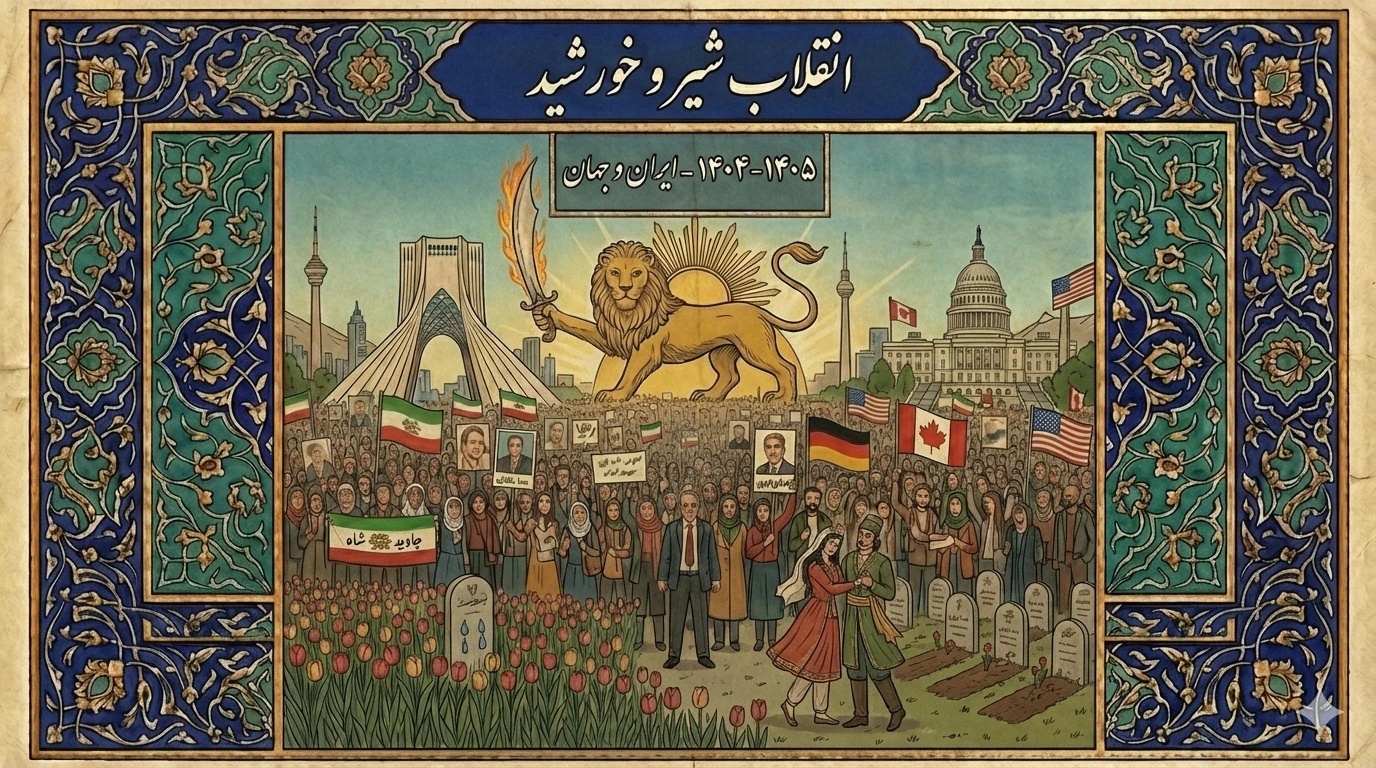
The Great Massacre
Jan 1, 2026 – Jan 26, 2026
The protests of January 2026, known among Iranians as the "Bloody Dey of 1404," represented the most widespread and lethal challenge to the Islamic Republic since its inception. Triggered by a catastrophic economic collapse—following the...


