Memorial story
Jafar Javidi
Jafar Javidi, 29, lived on Seyyed Razi Street in Mashhad and worked in mobile phone sales and repair. Friends knew him as “Javid.”
Archive
Record & remembrance
Dates, places, sources, and messages — the same details as the full profile, kept on this page.
Jafar Javidi, 29, lived on Seyyed Razi Street in Mashhad and worked in mobile phone sales and repair. Friends knew him as “Javid.”
He had previously been detained during the Woman, Life, Freedom protests. Confirmed reports say he spent about 15 days under pressure for forced confession and torture, sustaining serious injuries to his jaw, ear, and eye. After transfer to Vakilabad Prison he was released on bail and later received a 37-month prison sentence. He was still free on bail when he was killed.
On the evening of Thursday, 8 January 2026 (18 Dey 1404), he went to Haft Tir Square in Mashhad with first-aid supplies to treat the wounded. While helping the injured he was shot in the side with live ammunition by government forces. Firefighter Hamid Mahdavi carried him on his shoulders away from the scene; Javidi was taken to a local clinic but died from the severity of his wounds and bleeding.
His family later recovered his body. The funeral was held under heavy security measures; according to reports he was buried in section 25 of Behesht Reza cemetery in Mashhad.
Messages of remembrance
Words left for Jafar Javidi. Unlike social media, these stay here — a lasting place for their story.
Leave a message
Are you family?
Social posts fade. We preserve Jafar Javidi's story permanently. Families can claim this page, help keep it accurate, and receive messages left by visitors.
Help complete this memorial
Parts of this page are still incomplete. If you know more about this person, you can help us remember them more fully.
- Date of birth
- Words they said, or others said about them
Loading...
Related Event
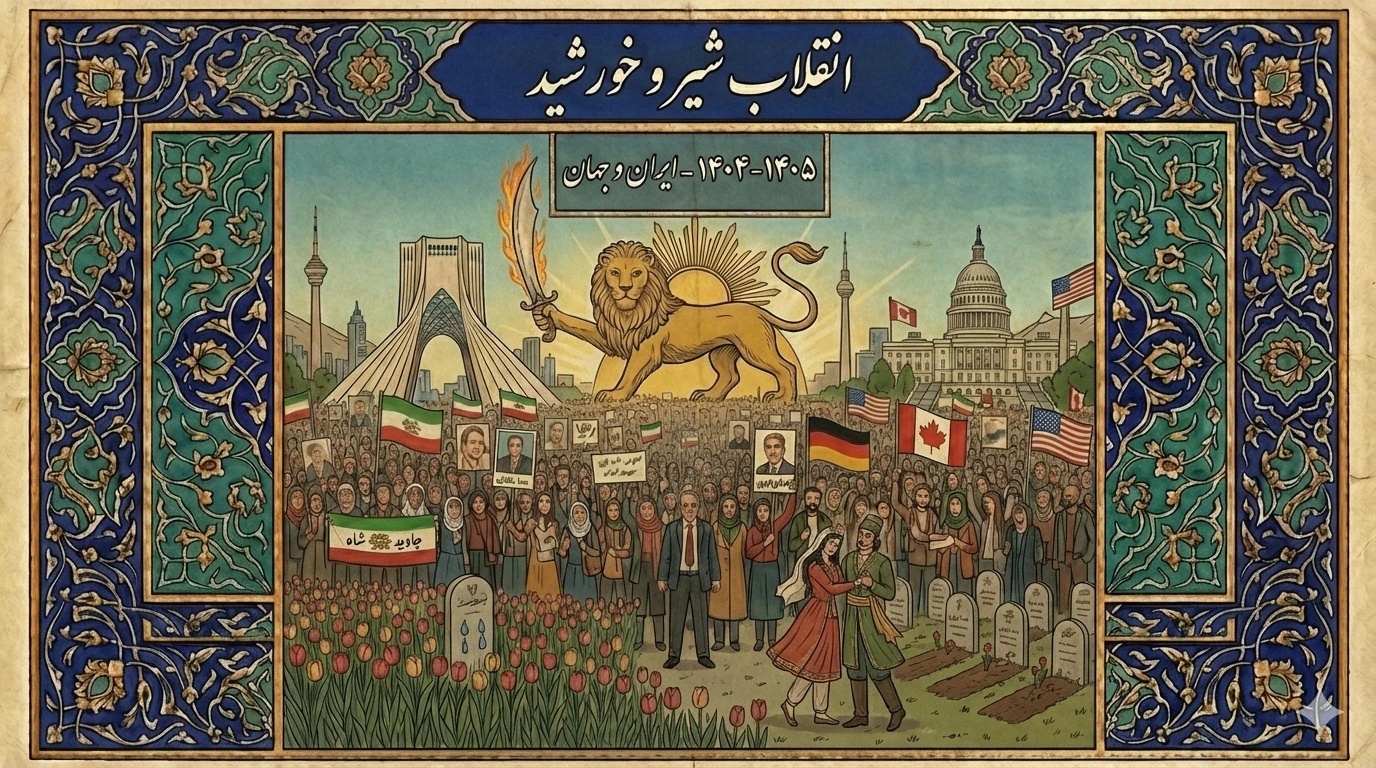
The Great Massacre
Jan 1, 2026 – Jan 26, 2026
The protests of January 2026, known among Iranians as the "Bloody Dey of 1404," represented the most widespread and lethal challenge to the Islamic Republic since its inception. Triggered by a catastrophic economic collapse—following the...
