Memorial story
Esmail Ganj-Goli
Esmail Ganjgoli (Persian: اسماعیل گنجگلی, also written Ganjigoli), 28, was born in Arak in 1376 (1997) and was self-employed.
Archive
Record & remembrance
Dates, places, sources, and messages — the same details as the full profile, kept on this page.
Esmail Ganjgoli (Persian: اسماعیل گنجگلی, also written Ganjigoli), 28, was born in Arak in 1376 (1997) and was self-employed.
On the night of Thursday, 18 Dey 1404 (8 January 2026), like many people in Arak, he went out to the protests. A source close to his family told IranWire that he set nothing on fire and attacked no one. At around 10 p.m., near Shora Square beside the wall of Fereshteh school, he saw security agents assaulting a young woman and went with his friends to help her. As soon as the agents noticed, they raised their weapons and shot him in the chest with pellets from less than two metres away. He was taken to Amir al-Momenin Hospital in the Sardasht district of Arak, where he died of wounds to his lungs and heart despite the nurses' efforts.
His body was returned a day later on condition that the burial be held at 6 a.m. with no mourning ceremony. About 20 relatives and friends attended his burial in Behesht Zahra cemetery in Arak, watched by more than 50 armed agents. Around his fortieth-day memorial, Iran International reported that security forces closed Arak cemetery, forcing his family and others to cancel or move their ceremonies. Hengaw, which gives the date as 19 Dey, lists him with Arman Haji Yousefi, Babak Jamali and Ahmad Anjefi among the Arak dead.
Messages of remembrance
Words left for Esmail Ganj-Goli. Unlike social media, these stay here — a lasting place for their story.
Leave a message
Are you family?
Social posts fade. We preserve Esmail Ganj-Goli's story permanently. Families can claim this page, help keep it accurate, and receive messages left by visitors.
Help complete this memorial
Parts of this page are still incomplete. If you know more about this person, you can help us remember them more fully.
- Date of birth
- Words they said, or others said about them
Loading...
Related Event
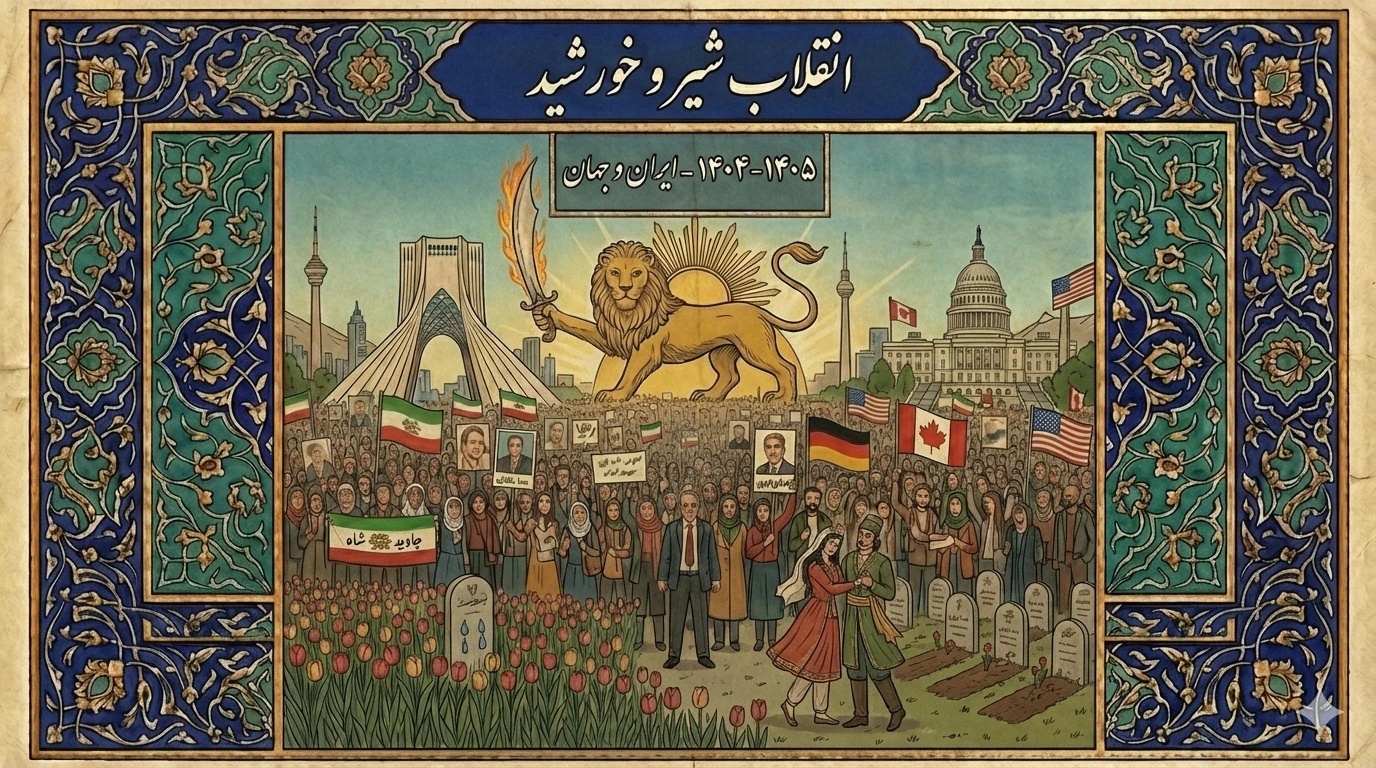
The Great Massacre
Jan 1, 2026 – Jan 26, 2026
The protests of January 2026, known among Iranians as the "Bloody Dey of 1404," represented the most widespread and lethal challenge to the Islamic Republic since its inception. Triggered by a catastrophic economic collapse—following the...


