Memorial story
Reza Shahrivar
Reza Shahrivar was a 23-year-old Lor man from Nurabad (Mamasani), Fars Province. He was a student of health, safety and environmental engineering at the Islamic Azad University of Nurabad Mamasani.
Archive
Record & remembrance
Dates, places, sources, and messages — the same details as the full profile, kept on this page.
Reza Shahrivar was a 23-year-old Lor man from Nurabad (Mamasani), Fars Province. He was a student of health, safety and environmental engineering at the Islamic Azad University of Nurabad Mamasani.
Hengaw Organization for Human Rights verified that on Thursday, 8 January 2026 (18 Dey 1404), he was shot in the heart with live ammunition by Iranian government forces during protests in Nurabad. IranWire, reporting on the protests around Chenar Shahijan in Fars, gave a different account and date: on 23 Dey 1404 (13 January 2026), agents opened fire without any stop warning on the moving car carrying Reza and his friend Arian Keshkouli. Arian was killed inside the car, which hit a concrete block and stopped in the middle of the road. Reza got out and ran away from the agents, but he too was shot and killed.
At his fortieth-day memorial in the cemetery of Jungan village in Nurabad Mamasani, mourners raised the bloodstained shirt he was wearing when he was killed. Hengaw listed him among at least 14 Lor civilians killed in Nurabad, including Arman Gorjian.
Messages of remembrance
Words left for Reza Shahrivar. Unlike social media, these stay here — a lasting place for their story.
Leave a message
Are you family?
Social posts fade. We preserve Reza Shahrivar's story permanently. Families can claim this page, help keep it accurate, and receive messages left by visitors.
Help complete this memorial
Parts of this page are still incomplete. If you know more about this person, you can help us remember them more fully.
- Date of birth
- Words they said, or others said about them
Loading...
Related Event
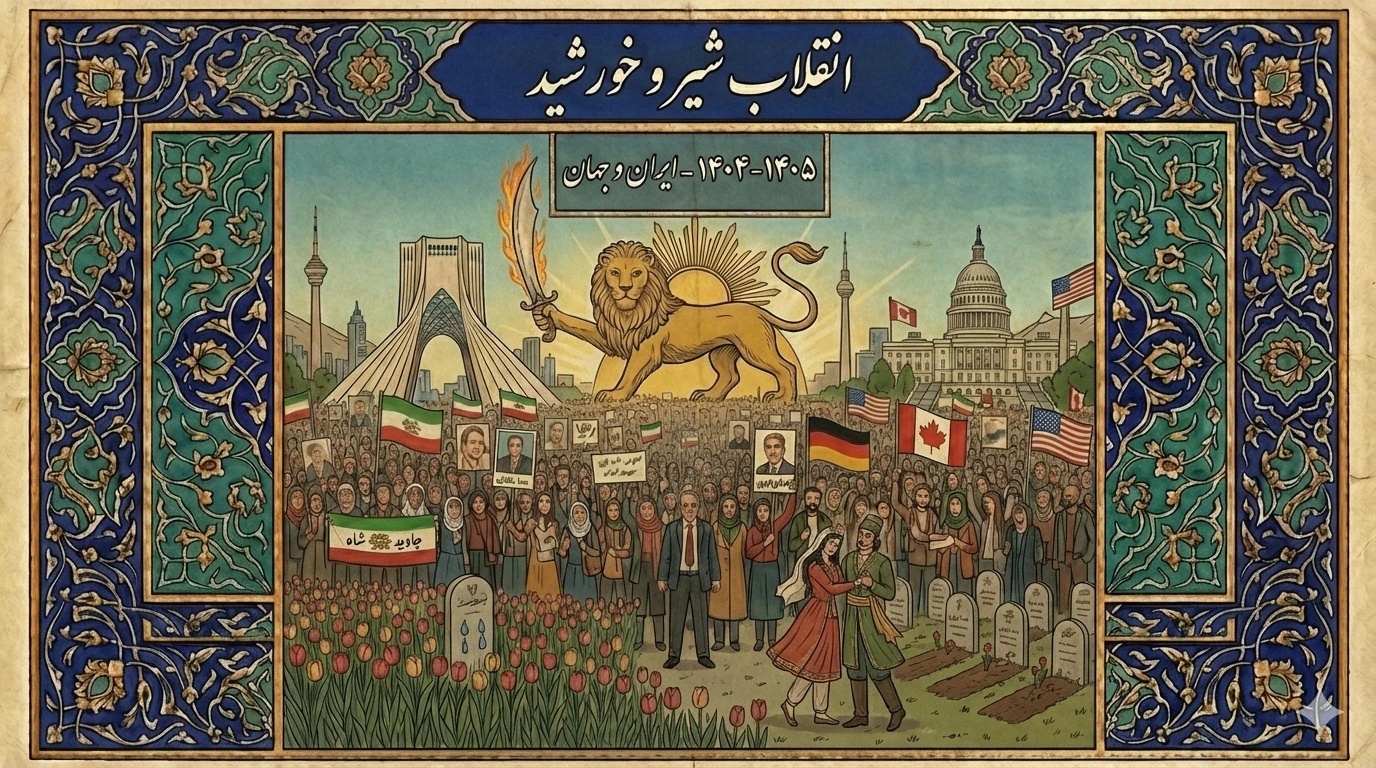
The Great Massacre
Jan 1, 2026 – Jan 26, 2026
The protests of January 2026, known among Iranians as the "Bloody Dey of 1404," represented the most widespread and lethal challenge to the Islamic Republic since its inception. Triggered by a catastrophic economic collapse—following the...


