Memorial story
Alireza Raeisi
Alireza Raeisi (also spelled Raisi; Iran Human Rights gives his full surname as Raisi Hassan Hendouyi) was a 21-year-old protester from Isfahan, born in 1383 in the Iranian calendar (2004), and the only son of his family. He was hanged at dawn on Monday, 5 October 2026 (13 Mehr 1405) in Isfahan Central Prison, known as Dastgerd Prison, as one of the defendants in the so-called "Alikhani Square" case from the January 2026 (Dey 1404) uprising. He was executed on the same morning as his co-defendant Alireza Sepahi.
Archive
Record & remembrance
Dates, places, sources, and messages — the same details as the full profile, kept on this page.
Alireza Raeisi (also spelled Raisi; Iran Human Rights gives his full surname as Raisi Hassan Hendouyi) was a 21-year-old protester from Isfahan, born in 1383 in the Iranian calendar (2004), and the only son of his family. He was hanged at dawn on Monday, 5 October 2026 (13 Mehr 1405) in Isfahan Central Prison, known as Dastgerd Prison, as one of the defendants in the so-called "Alikhani Square" case from the January 2026 (Dey 1404) uprising. He was executed on the same morning as his co-defendant Alireza Sepahi.
His relative Ramin Raeisi, a 28-year-old protester, was shot dead on 9 January 2026 during demonstrations in Baharestan, Isfahan; his family found his body nine days later. Iran International and Hengaw describe the two as cousins, while other reports say Ramin was a cousin of Alireza's mother. Alireza was arrested on 19 January 2026 (29 Dey 1404), one day after Ramin's burial, by Intelligence Ministry agents at the entrance to Bagh-e Rezvan cemetery. For days the security agencies would not say who was holding him, and his family was told he could only have a court-appointed lawyer. According to Iran International, one piece of evidence in his file was a voice message he had sent Ramin about joining the protests, and agents tied him to the Alikhani Square case by tracking his phone, an accusation his family rejects. His mother, who has multiple sclerosis, and his two sisters had been waiting for his return; his engagement party had been planned for the start of the Iranian new year 1405 (March 2026).
The Alikhani Square case concerns protests on 8 January 2026 (18 Dey 1404) around the square in northern Isfahan, where the authorities say four members of the police and Basij were killed. Human rights groups say the case has been marked by mass arrests, closed and collective trials, limited access to lawyers and confessions extracted under torture. Iran Human Rights has documented physical, sexual and psychological torture used to force defendants in this case to incriminate themselves, and forced confessions were broadcast on state television in January 2026, long before any final verdict.
Alireza was sentenced to death on the charge of "moharebeh" (enmity against God). According to Iran International, the sentence was at one stage overturned on appeal and replaced with 20 years in prison, but on 5 July 2026 (14 Tir 1405) his family was told that the death sentence had been reinstated and upheld by the Supreme Court. The Hana Human Rights Organization reported that he was sentenced to death twice in the case. According to the judiciary's Mizan news agency, he and Alireza Sepahi were convicted of membership in a "baghi" (armed rebel) group, "moharebeh", "efsad-fil-arz" (corruption on earth), incitement to war and killing, and acting against national security, in connection with the deaths of four officers; Mizan also claimed the two had set a security officer on fire with gasoline. These are the regime's allegations and were never tested in a fair trial.
On Sunday, 4 October 2026, his family was summoned to Dastgerd Prison for a last visit. A source close to the family told HRANA that at the end of the visit Alireza refused to let go of his family, and prison officers and guards finally separated him from them by force. His family stood outside the prison through the night, waiting for news. He was executed at dawn the next morning.
According to sources close to the family, the authorities did not allow him to be buried where his family lives, and he was buried in Natanz. Iran Human Rights reported his age as 21; an earlier report from the same organisation gave it as 22. He was one of at least 34 people executed in connection with the January 2026 protests since March 2026, and the seventh in the Alikhani Square case.
Messages of remembrance
Words left for Alireza Raeisi. Unlike social media, these stay here — a lasting place for their story.
Leave a message
Are you family?
Social posts fade. We preserve Alireza Raeisi's story permanently. Families can claim this page, help keep it accurate, and receive messages left by visitors.
Help complete this memorial
Parts of this page are still incomplete. If you know more about this person, you can help us remember them more fully.
- Date of birth
- Words they said, or others said about them
Loading...
Related Event
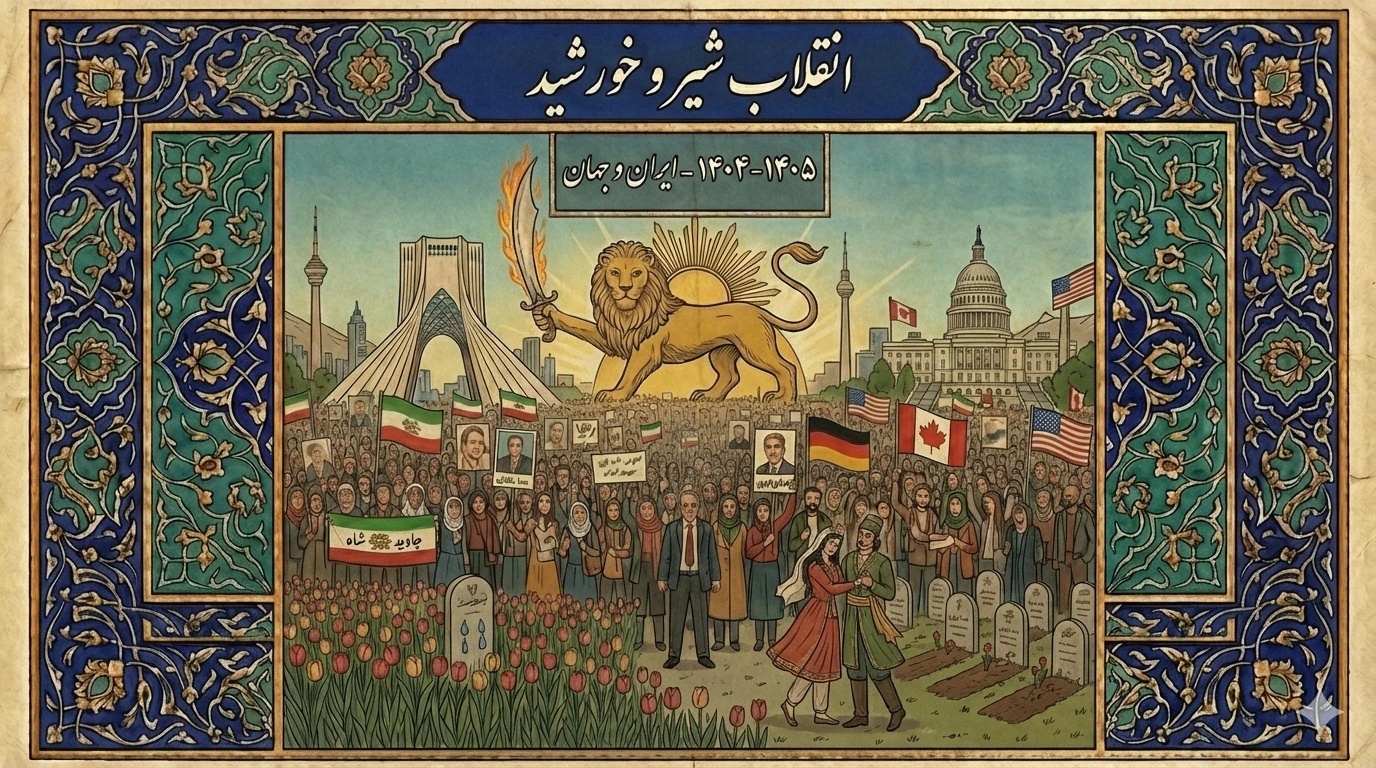
The Great Massacre
Jan 1, 2026 – Jan 26, 2026
The protests of January 2026, known among Iranians as the "Bloody Dey of 1404," represented the most widespread and lethal challenge to the Islamic Republic since its inception. Triggered by a catastrophic economic collapse—following the...