Memorial story
Benyamin Balochi
Benyamin Balochi was a 29-year-old young man from Neyshabur in Razavi Khorasan (some reports give his age as 28). He was wounded on 19 Dey 1404 (9 January 2026) during the nationwide protests in Neyshabur and died of his injuries three days later, on 22 Dey 1404 (12 January 2026).
Archive
Record & remembrance
Dates, places, sources, and messages — the same details as the full profile, kept on this page.
Benyamin Balochi was a 29-year-old young man from Neyshabur in Razavi Khorasan (some reports give his age as 28). He was wounded on 19 Dey 1404 (9 January 2026) during the nationwide protests in Neyshabur and died of his injuries three days later, on 22 Dey 1404 (12 January 2026).
According to published accounts, he was shot in the neck by the Islamic Republic's forces. The bullet severed his spinal cord, and he spent three days in hospital fighting for his life before he died.
After his death, his family was reportedly pressed to pay a heavy sum, described as a so-called "bullet fee" and reported as 300 million in Iranian currency, before his body was released to them.
Benyamin was a young man who should have been a groom. At his fortieth-day memorial, the people closest to him brought a groom's suit to his grave and released doves over it, holding a ceremony in the spirit of the wedding he never had.
Messages of remembrance
Words left for Benyamin Balochi. Unlike social media, these stay here — a lasting place for their story.
Leave a message
Are you family?
Social posts fade. We preserve Benyamin Balochi's story permanently. Families can claim this page, help keep it accurate, and receive messages left by visitors.
Help complete this memorial
Parts of this page are still incomplete. If you know more about this person, you can help us remember them more fully.
- Date of birth
- Words they said, or others said about them
Loading...
Related Event
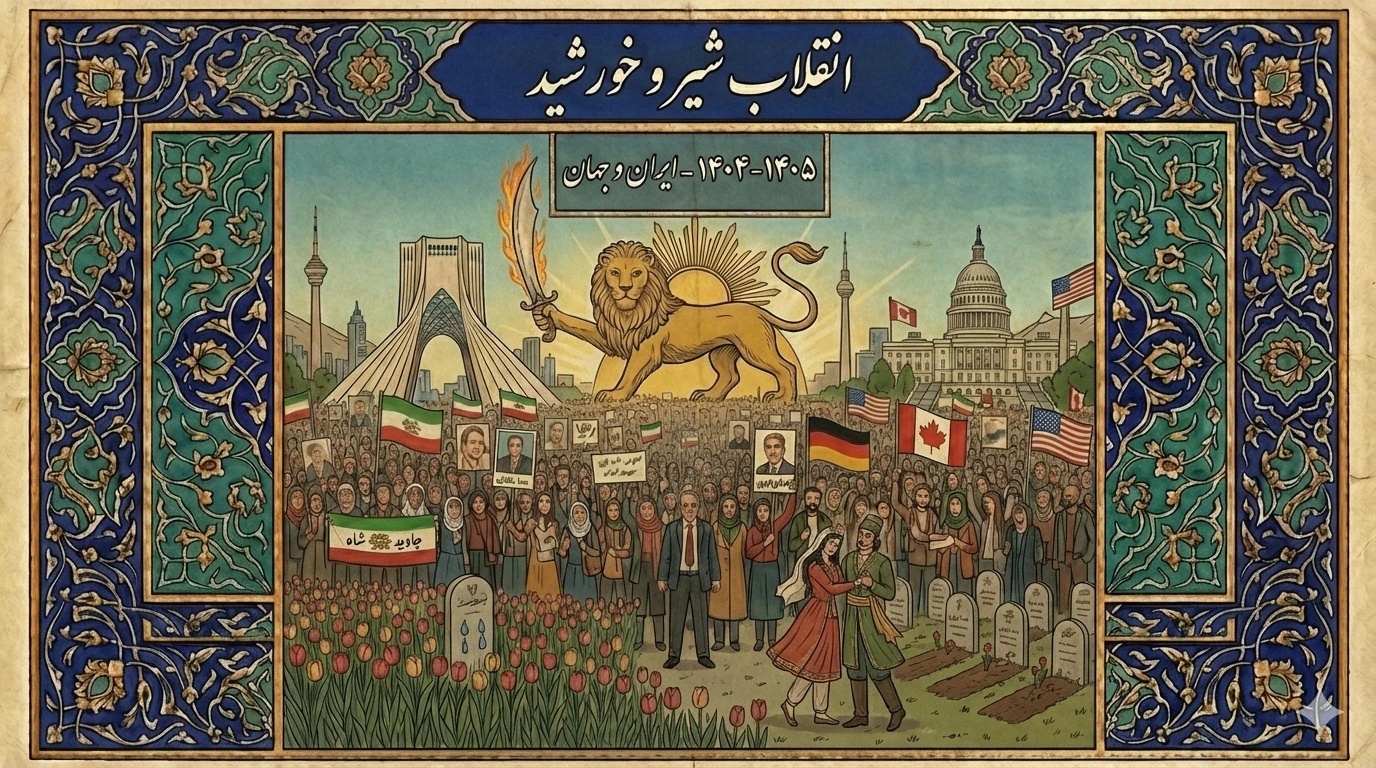
The Great Massacre
Jan 1, 2026 – Jan 26, 2026
The protests of January 2026, known among Iranians as the "Bloody Dey of 1404," represented the most widespread and lethal challenge to the Islamic Republic since its inception. Triggered by a catastrophic economic collapse—following the...