Memorial story
Hamid Reza Yousefi
Hamid Reza Yousefi (Persian: حمیدرضا یوسفی, also written Hamidreza) was a 47-year-old Kurdish man from Kermanshah (Kermashan). His father's name was Shahbaz.
Archive
Record & remembrance
Dates, places, sources, and messages — the same details as the full profile, kept on this page.
Hamid Reza Yousefi (Persian: حمیدرضا یوسفی, also written Hamidreza) was a 47-year-old Kurdish man from Kermanshah (Kermashan). His father's name was Shahbaz.
On Thursday, 18 Dey 1404 (8 January 2026), during the nationwide protests, he was shot directly by government forces in the Elahiyeh township on Shahed Boulevard in Kermanshah. Kolbarnews described what happened there as a mass killing: according to an informed source, forces of the IRGC's Nabi Akram corps opened fire on dozens of people in the township, killing at least 15 and wounding dozens more. Hamid Reza's identity only became known about two weeks later, and a message sent to a volunteer account at the time noted that no one had yet written about him.
Hengaw, the HANA human rights organization and HRANA have all confirmed his killing, and his name appears in the list of the dead published by the government in February 2026. Hengaw listed him among twelve Kurdish civilians whose identities it confirmed from the killings in Kermanshah on 8 and 9 January 2026, including Pedram Argha and Farhad Cheraghi.
Messages of remembrance
Words left for Hamid Reza Yousefi. Unlike social media, these stay here — a lasting place for their story.
Leave a message
Are you family?
Social posts fade. We preserve Hamid Reza Yousefi's story permanently. Families can claim this page, help keep it accurate, and receive messages left by visitors.
Help complete this memorial
Parts of this page are still incomplete. If you know more about this person, you can help us remember them more fully.
- Date of birth
- Words they said, or others said about them
Loading...
Related Event
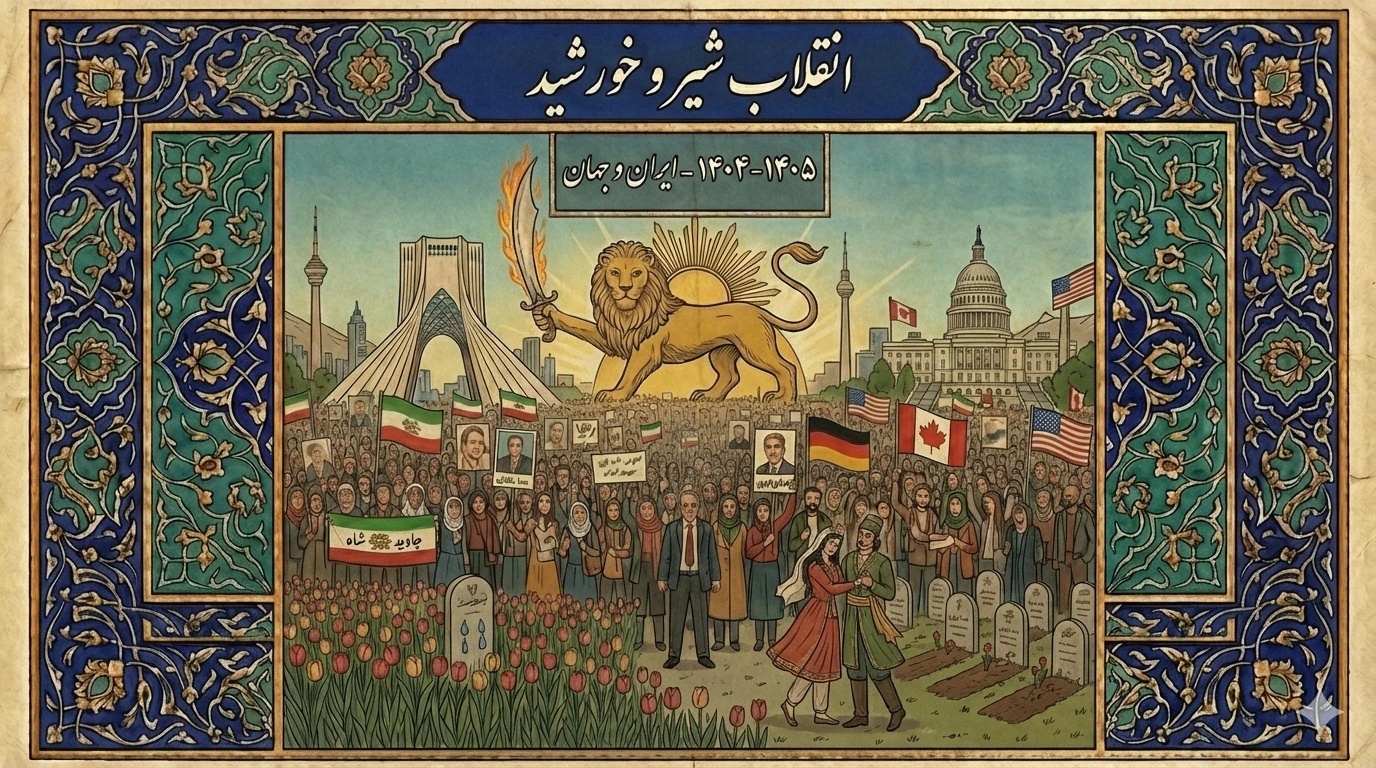
The Great Massacre
Jan 1, 2026 – Jan 26, 2026
The protests of January 2026, known among Iranians as the "Bloody Dey of 1404," represented the most widespread and lethal challenge to the Islamic Republic since its inception. Triggered by a catastrophic economic collapse—following the...
