Memorial story
Mehrdad Yaghoubi Mehr
Mehrdad Yaghoubi Mehr (Persian: مهرداد یعقوبیمهر; also written Yaqoubi Mehr or Yaghoubi-Mehr) was a Lor chemical engineer from Dorud in Lorestan Province who lived and worked in Tehran. Relatives told Radio Farda that he was born on 16 Mehr 1375 (7 October 1996); news reports describe him as 28. He held a master's degree in chemical engineering and had just been accepted for doctoral study. BBC Persian reported that his place was at Sharif University of Technology, while Iran Human Rights describes him as a chemistry PhD student at the University of Tehran who also worked to support himself. A relative said he had won a scholarship to study abroad two years earlier but chose to stay in Iran for the sake of his parents, and that "he cared about the people." Those who knew him remember a quiet, studious young man who loved nature and singing; BBC Persian obtained footage of him singing a Lori song about losing the gamble of youth. A fellow student recalled finding him alone in the laboratory on Student Day in Azar 1401, while everyone else was at the celebration, and his answer: "In days like these, can one really celebrate?"
Archive
Record & remembrance
Dates, places, sources, and messages — the same details as the full profile, kept on this page.
Mehrdad Yaghoubi Mehr (Persian: مهرداد یعقوبیمهر; also written Yaqoubi Mehr or Yaghoubi-Mehr) was a Lor chemical engineer from Dorud in Lorestan Province who lived and worked in Tehran. Relatives told Radio Farda that he was born on 16 Mehr 1375 (7 October 1996); news reports describe him as 28. He held a master's degree in chemical engineering and had just been accepted for doctoral study. BBC Persian reported that his place was at Sharif University of Technology, while Iran Human Rights describes him as a chemistry PhD student at the University of Tehran who also worked to support himself. A relative said he had won a scholarship to study abroad two years earlier but chose to stay in Iran for the sake of his parents, and that "he cared about the people." Those who knew him remember a quiet, studious young man who loved nature and singing; BBC Persian obtained footage of him singing a Lori song about losing the gamble of youth. A fellow student recalled finding him alone in the laboratory on Student Day in Azar 1401, while everyone else was at the celebration, and his answer: "In days like these, can one really celebrate?"
On the evening of Thursday, 8 January 2026 (18 Dey 1404), he went out to join the nationwide protests and told close relatives that he was going. A relative told Iran Human Rights: "He joined the protests consciously, and his decision was based on conviction and motivation." In the Qaleh Hassan Khan area of Shahr-e Qods, on the western edge of Tehran, he was shot in the left side in front of the governorate building. Mohammad Rostami, a Mahan Air transport employee and father of two who was on his way home from work, ran to help him and was shot in the heart. A video of the two bodies left lying in front of the governorate circulated a few days later, and Iran International identified them in August 2026. A source told Iran International that when his body was handed over, the family saw a second bullet wound in his forehead, which suggests he was finished off after being wounded. Relatives told Radio Farda that he was killed by a sniper's bullet to the head, and that the forensic death certificate gave the cause as "impact of a sharp, high-speed object." Hengaw verified his identity among six people killed in the Tehran crackdown, and BBC Persian dated his killing to 19 Dey.
Security forces pressed the family to bury him at night. They refused, and his funeral was held on 21 Dey (11 January). An acquaintance told BBC Persian that nearly 20 people from Dorud were killed in the uprising, most of them in Tehran, and that Mehrdad was the only one of them whose body was carried to burial in daylight. His fortieth-day memorial was held under heavy security, with agents among the mourners, and a family member was summoned and threatened beforehand. Security bodies also pressed the family to declare him a Basij member, which they refused.
In their words
What Mehrdad Yaghoubi Mehr said, and what others remember about them.
"In days like these, can one really celebrate? What does celebrating even mean?" (to a fellow student who found him in the laboratory on Student Day, Azar 1401)
Messages of remembrance
Words left for Mehrdad Yaghoubi Mehr. Unlike social media, these stay here — a lasting place for their story.
Leave a message
Are you family?
Social posts fade. We preserve Mehrdad Yaghoubi Mehr's story permanently. Families can claim this page, help keep it accurate, and receive messages left by visitors.
Loading...
Related Event
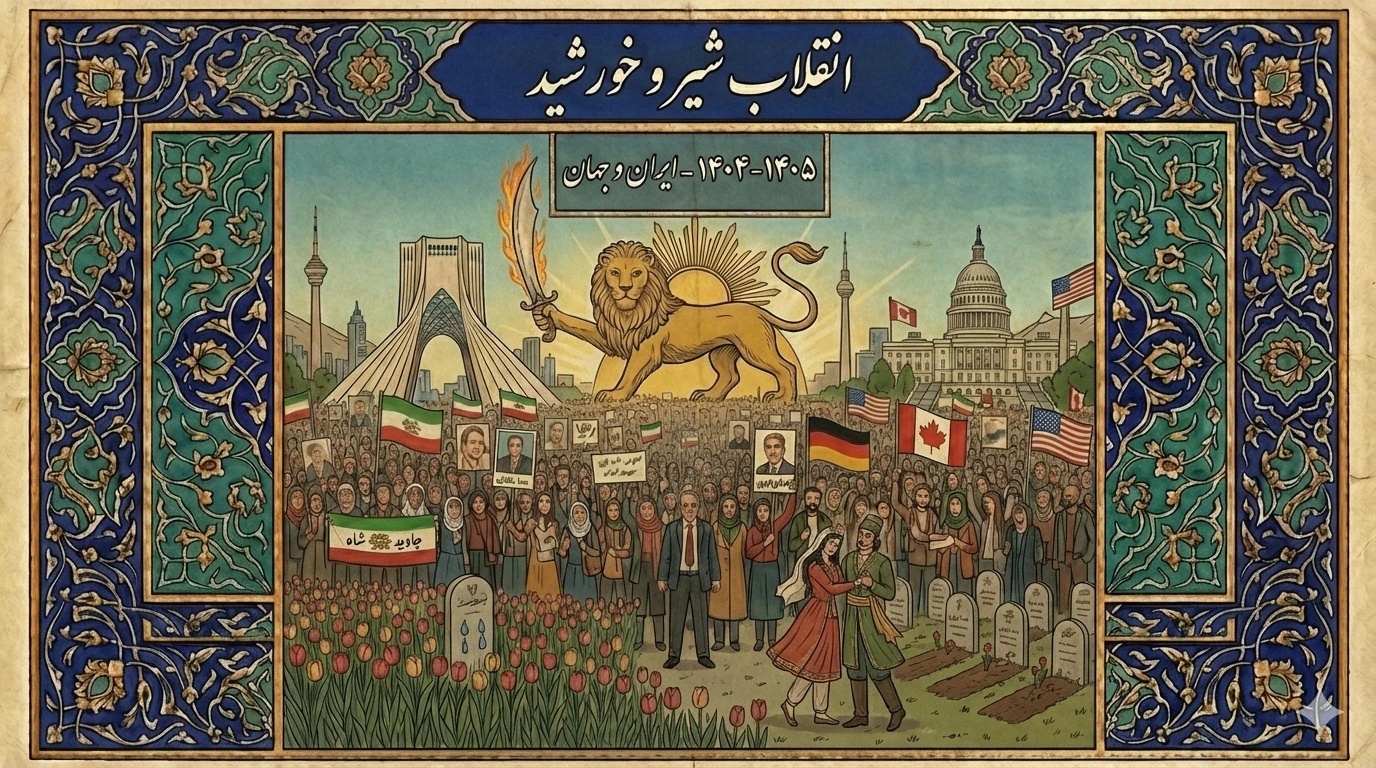
The Great Massacre
Jan 1, 2026 – Jan 26, 2026
The protests of January 2026, known among Iranians as the "Bloody Dey of 1404," represented the most widespread and lethal challenge to the Islamic Republic since its inception. Triggered by a catastrophic economic collapse—following the...

